
TOURS AND EXPEDITION
Journey through centuries of living history. Explore the sacred stupas, ancient palaces, and vibrant traditions of the Kathmandu Valley, a UNESCO World Heritage Site.
Immerse yourself in the spiritual and artistic heart of Nepal with our curated 5-day cultural tour package, encompassing all major UNESCO sites and hidden gems.
View Tour PackageThe Kathmandu Valley is not just the capital of Nepal; it is a vast, open-air museum of medieval art, architecture, and living religious traditions. For over two millennia, it has been the cultural and spiritual crossroads of the Himalayas, where Hinduism and Buddhism have intertwined to create a unique syncretic culture. Within a radius of just 20 kilometers, you can find seven UNESCO World Heritage Sites, each telling a story of divine kingship, intricate craftsmanship, and profound faith that continues to animate daily life.
Witness the seamless blend of Hinduism and Buddhism. At Swayambhunath, see Hindu shrines beside the Buddhist stupa. At Pashupatinath, one of Hinduism's most sacred Shiva temples, Buddhist rituals are also performed. This co-existence is the valley's defining spiritual characteristic.
Explore the distinct characters of the three ancient Malla kingdom capitals: Kathmandu (Kantipur), the vibrant modern hub; Patan (Lalitpur), the city of fine arts and unparalleled craftsmanship; and Bhaktapur (Bhadgaon), the best-preserved, a time capsule of medieval Newari culture.
This is not a tour of ruins. It's an immersion into a living culture. Watch devotees circle Boudhanath Stupa at dawn, see traditional potters at their wheels in Bhaktapur, observe intricate metalwork being done in Patan's backstreets, and smell the incense and offerings at local neighborhood shrines.
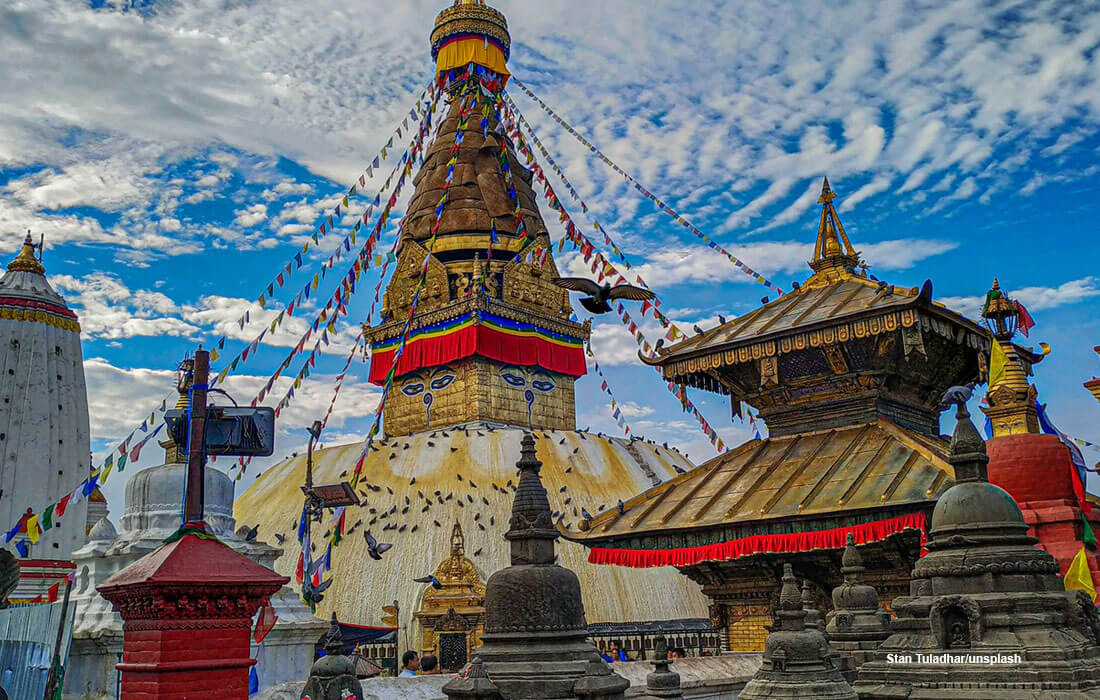
Perched atop a hill west of Kathmandu, this 2,000-year-old stupa is one of the world's oldest and most glorious Buddhist chaityas. The iconic all-seeing eyes of Buddha gaze in all four directions. The climb of 365 steps is a symbolic journey. It's a sacred site for both Buddhists and Hindus, with numerous shrines and a colony of revered monkeys.
The most sacred Hindu temple complex dedicated to Lord Shiva, located on the banks of the Bagmati River. Non-Hindus cannot enter the main temple but can observe rituals from the east bank. It is a profound place to witness the cycle of life and death through open-air cremation ceremonies. The architecture, sculptures, and the presence of Sadhus (holy men) create a powerful atmosphere.
One of the largest spherical stupas in the world and the center of Tibetan Buddhism in Nepal. Built in the 5th century, its massive mandala design is breathtaking. Circumambulate with pilgrims spinning prayer wheels, listen to monastic chants from surrounding monasteries, and feel the powerful, peaceful energy of this important pilgrimage site.
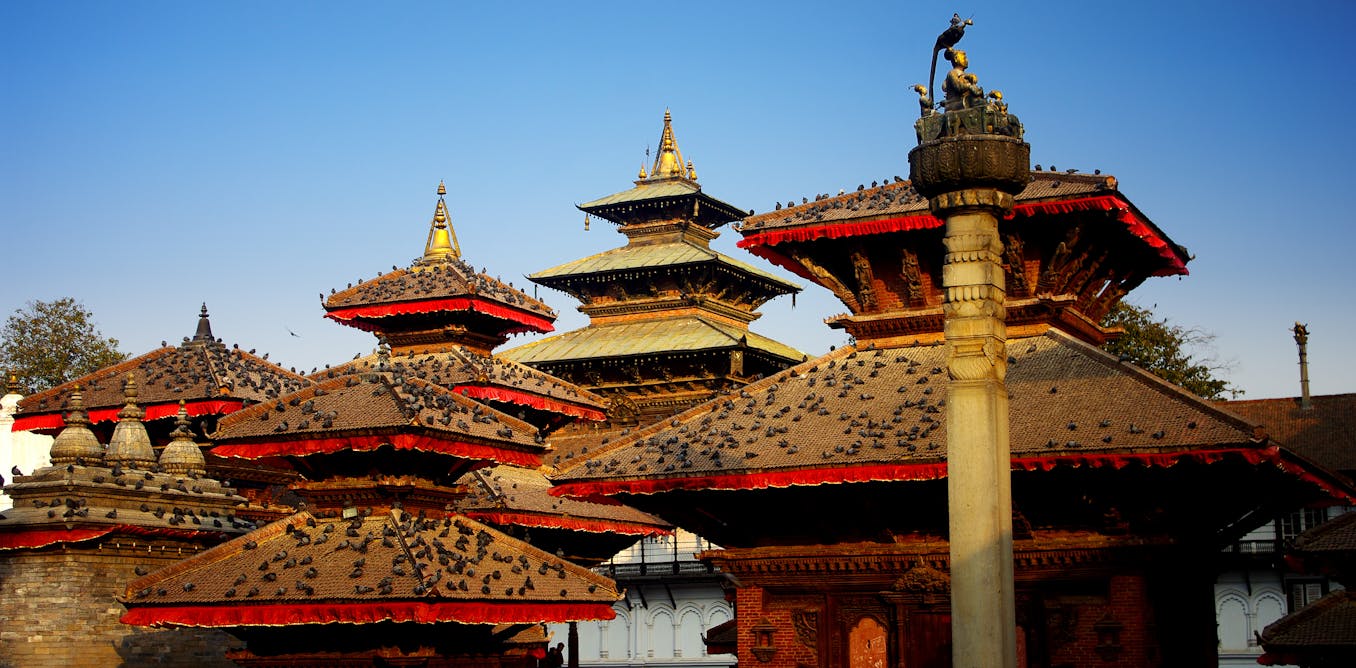
The historic seat of the Malla and Shah kings. Explore the old royal palace (Hanuman Dhoka), the towering temple of Taleju Bhawani, the nine-story Basantapur Tower, and the Kumari Ghar—home to the living child goddess, Kumari. The square is a showcase of Newari architecture at its peak, though still bearing scars from the 2015 earthquake.
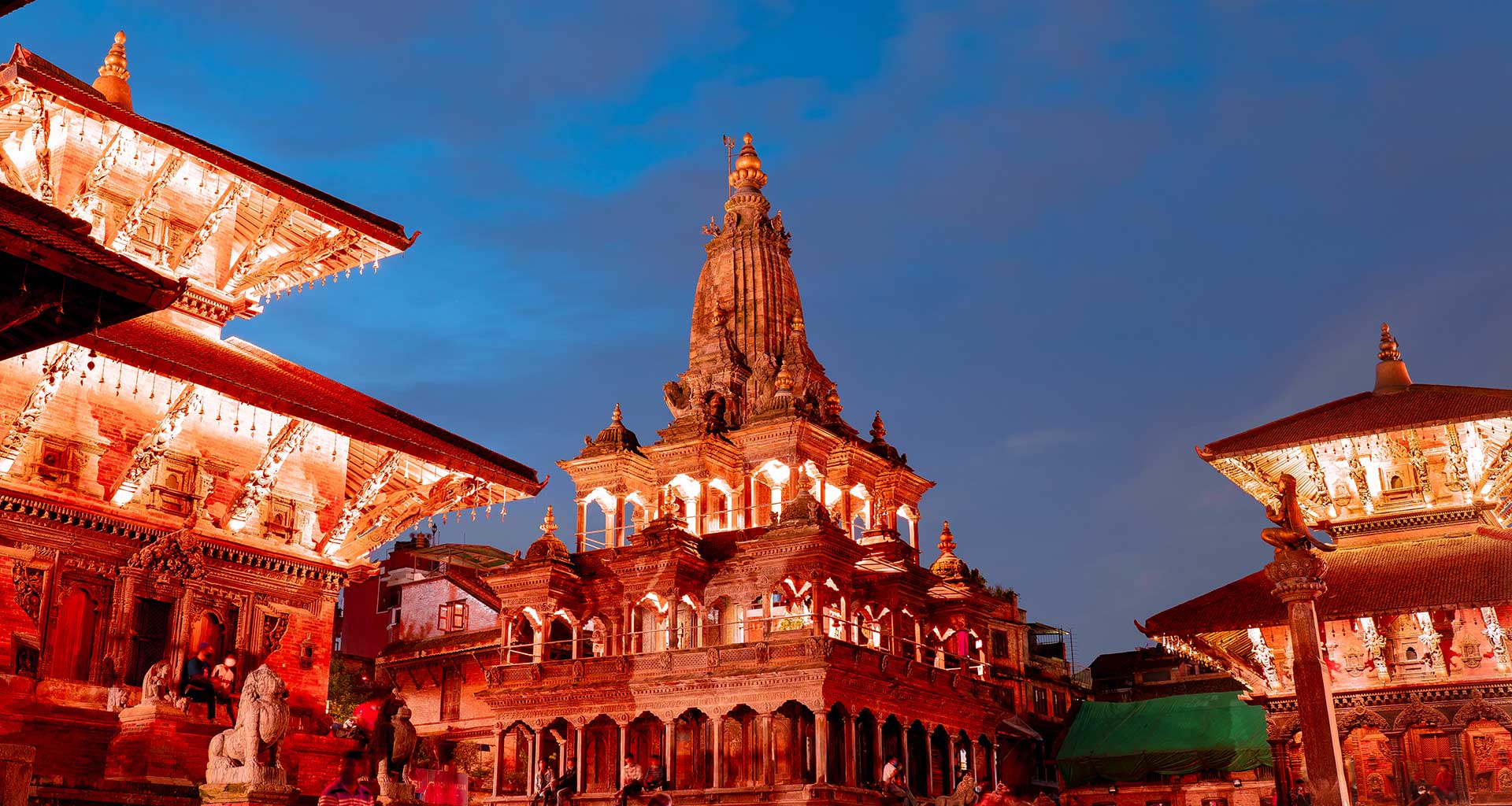
Often considered the finest collection of craftsmanship in the valley. Marvel at the Krishna Mandir built entirely of stone, the Bhimsen Temple, and the Royal Bath. The Patan Museum, housed in the former royal residence, is world-class, displaying exquisite bronze statues and religious artifacts. Don't miss the nearby Golden Temple (Hiranya Varna Mahavihar).
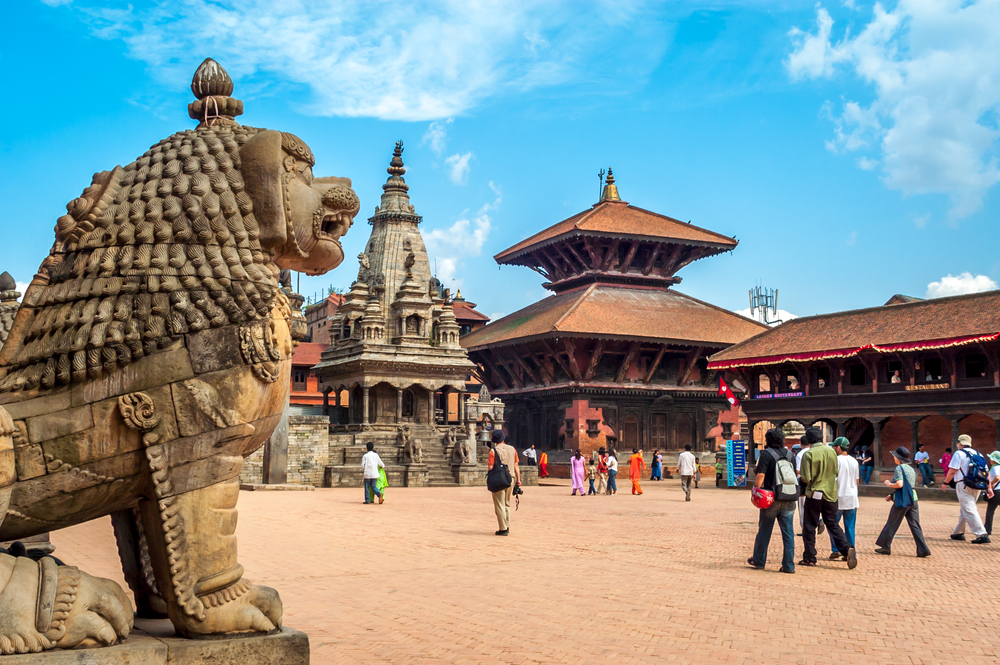
Step back in time in Nepal's best-preserved medieval city. See the Golden Gate, the 55-Window Palace, the magnificent Nyatapola Temple (Nepal's tallest pagoda), and the Dattatreya Square. Wander to Pottery Square to see artisans using traditional methods. Bhaktapur's strict vehicle restrictions and community-led preservation efforts have maintained its unique atmosphere.
No cultural tour is complete without food. Savor Newari delicacies like Bara, Chatamari, and Yomari. Try a traditional Dal Bhat (lentil curry with rice) meal, and enjoy a cup of Nepali chiya (tea) in a local shop. We include meals at authentic local restaurants.
Dress modestly, especially at temples (cover shoulders and knees). Remove shoes before entering temples/homes. Always walk clockwise around stupas and chortens. Ask permission before photographing people, particularly at Pashupatinath during private rituals. Use your right hand for giving and receiving.
The valley is famous for handicrafts. Look for thangka paintings (Boudha), handmade paper products, fine metal statues (Patan), wooden masks, felt items, and traditional jewelry. We guide you to ethical cooperatives and artisan workshops where your purchase directly supports the craft tradition.