
TOURS AND EXPEDITION
Journey to the foot of the world's highest mountain. Experience the legendary trails through the heart of the Khumbu region, home to the legendary Sherpa people and breathtaking Himalayan vistas.
Choose from our carefully curated trekking packages designed to make your Everest Base Camp journey safe, memorable, and truly extraordinary.
View Trek PackagesThe Everest Base Camp Trek is one of the world's most famous and rewarding treks, taking you through the heart of the Khumbu region to stand at the base of Mount Everest (8,848m/29,029ft). This legendary journey offers not just stunning mountain scenery but also a deep cultural immersion into Sherpa communities, ancient monasteries, and the unique high-altitude ecosystem of Sagarmatha National Park.
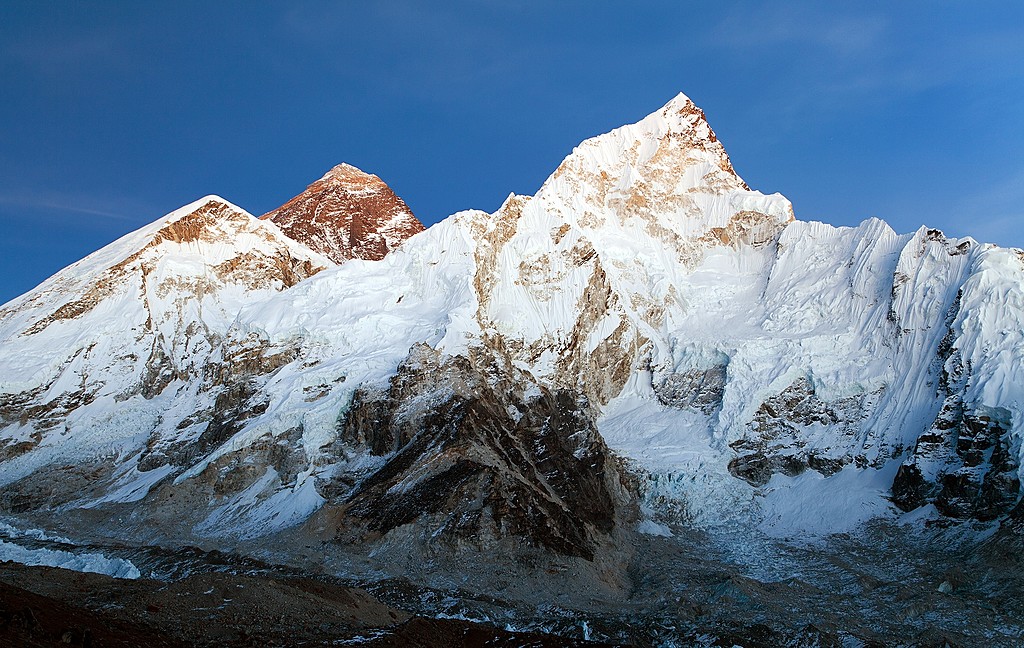
Witness six of the world's ten highest peaks: Everest, Lhotse, Makalu, Cho Oyu, Nuptse, and Ama Dablam. Each day brings new, breathtaking views as you ascend through the world's most dramatic mountain landscape.
Experience the legendary hospitality of the Sherpa people, whose mountaineering expertise is world-renowned. Visit ancient monasteries, spin prayer wheels, and gain insight into Himalayan Buddhism in its purest form.
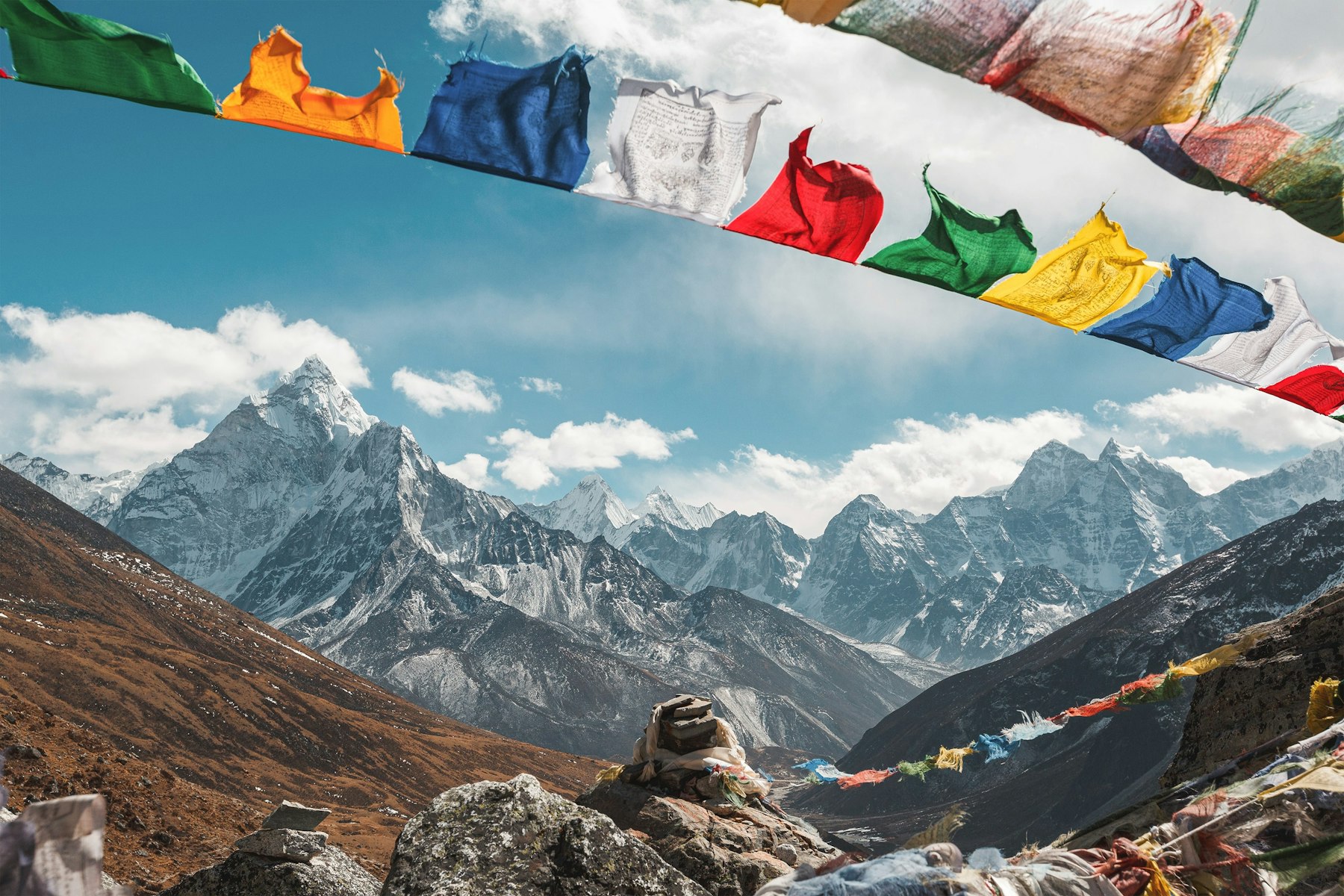
The standard 12-day trek follows the historic route used by early Everest expeditions. Starting with a thrilling flight to Lukla, you'll follow the Dudh Koshi River valley, crossing high suspension bridges adorned with prayer flags.
Pre-monsoon (March-May) offers clear skies and blooming rhododendrons. Post-monsoon (October-November) provides stable weather and excellent visibility. Winter (December-February) is cold but less crowded, with possible flight delays. Monsoon season (June-September) is generally avoided due to rain, leeches, and cloud cover obscuring mountain views.
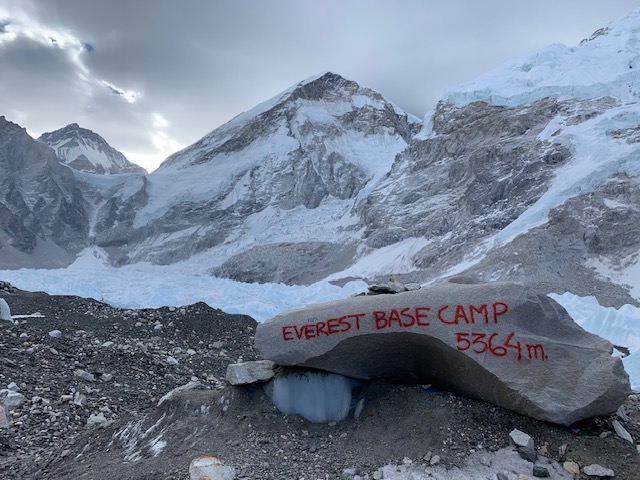
This is a moderate to challenging trek requiring good fitness levels. Daily walking distances range from 5-8 hours over varied terrain. Altitude is the main challenge, with Base Camp at 5,364m (17,598ft). Pre-trek training should include cardiovascular exercise, hiking with weight, and stair climbing. Mental preparation is equally important for dealing with altitude and basic mountain conditions.
Required permits include the Sagarmatha National Park Entry Permit and the Khumbu Pasang Lhamu Rural Municipality Entry Permit. All arrangements must be made through registered trekking companies in Nepal. The trek includes flights from Kathmandu to Lukla, which are weather-dependent. Porter services are highly recommended to support local economy and ensure safe trekking.
Stay in traditional teahouses - simple mountain lodges offering basic rooms with twin beds. Hot showers and electricity (for charging) are available at extra cost in lower villages. Meals are hearty and energy-focused: dal bhat (rice and lentils), noodles, soups, and Tibetan bread. Dietary requirements can be accommodated with advance notice.
Proper acclimatization is critical. The itinerary includes rest/acclimatization days at Namche Bazaar and Dingboche. Guides are trained in altitude sickness recognition and basic first aid. Travel insurance covering emergency helicopter evacuation is mandatory. Common medications for altitude, diarrhea, and respiratory issues should be carried.
Costs vary based on group size, season, and services included. Budget should cover permits, flights, guide/porter services, accommodation, meals, and insurance. Additional expenses include equipment rental, tips for staff, souvenirs, and contingency funds for extra days in case of flight delays. Booking with a reputable company ensures proper support and safety measures.
Golden hours (sunrise/sunset) offer best lighting. Kala Patthar provides iconic sunrise views of Everest. Carry extra batteries (charging costs increase with altitude). Respect local privacy when photographing people - always ask permission first.
Follow Leave No Trace principles. Use refillable water bottles with purification tablets. Support local businesses by buying directly from village shops. Respect cultural sites - walk clockwise around stupas and chortens, remove shoes in monasteries.
Mountain weather is unpredictable. Layers are essential - temperatures range from 20°C in daytime to -10°C at night at higher elevations. Afternoon clouds often obscure peaks. Be prepared for all conditions including wind, cold, and potential snow at higher altitudes.
Your adventure begins with one of the world's most thrilling flights. The 35-minute journey from Kathmandu to Lukla (2,860m) offers breathtaking Himalayan views before landing on the dramatically short, uphill runway of Tenzing-Hillary Airport. This flight is an adventure in itself and sets the tone for the expedition ahead.
The bustling Sherpa capital at 3,440m, Namche is a vibrant hub with shops, bakeries, and the Everest Photo Gallery. The Saturday market draws traders from across the region. The acclimatization hike to the Everest View Hotel offers your first proper view of Everest. The Sherpa Museum provides excellent cultural context for the journey ahead.
At 3,867m, this is the spiritual heart of the Khumbu region. The largest monastery in the area offers spectacular views of Everest, Lhotse, and Ama Dablam. Visitors can observe morning prayers with chanting monks and rhythmic instruments. The monastery was rebuilt after a 1989 fire, with contributions from Sir Edmund Hillary's foundation.
At 4,410m, Dingboche is where most trekkers spend two nights for proper acclimatization. The hike to Nangkartshang Peak (5,100m) offers panoramic views of Makalu, Lhotse, and Cho Oyu. This critical acclimatization day significantly increases your chances of reaching Base Camp safely and comfortably.
The 5,545m viewpoint above Gorak Shep offers the trek's most spectacular panorama of Everest. Most trekkers make the pre-dawn climb to witness sunrise illuminating the world's highest peak. The view encompasses the entire Southwest Face of Everest, the Khumbu Glacier, and surrounding 8,000m peaks. This is often cited as the visual highlight of the entire trek.
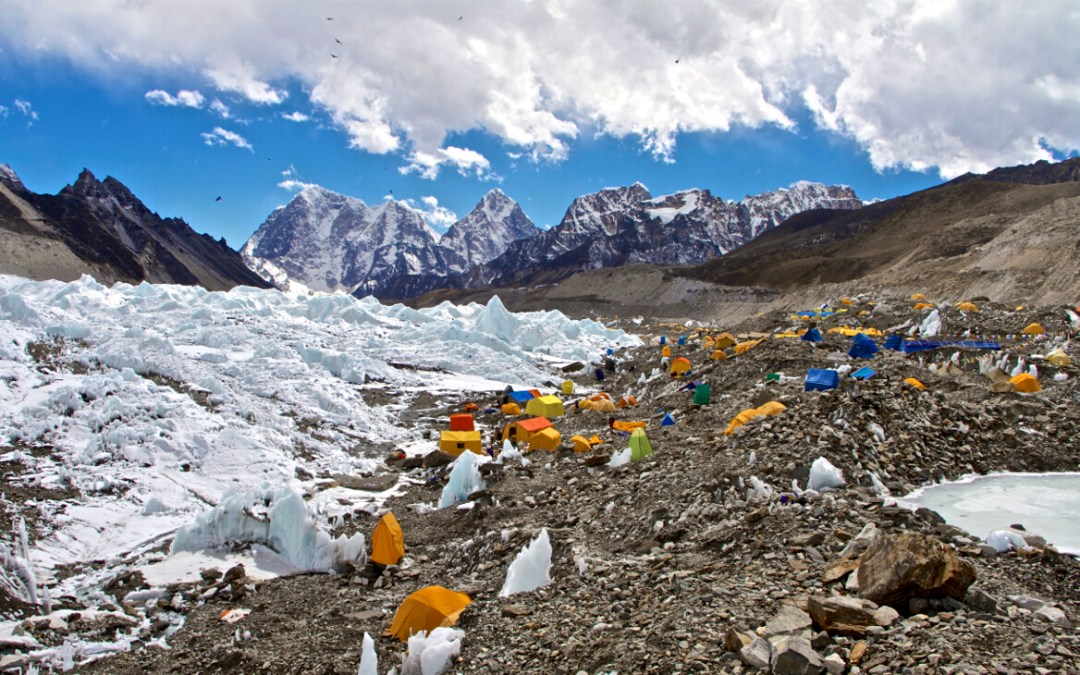
Standing at 5,364m amidst the chaos of the Khumbu Icefall is a moment of profound achievement. During climbing season (April-May), the camp buzzes with expedition activity. You'll see colorful tents of various teams, prayer flags, and the infamous Khumbu Icefall - the most dangerous section of the Everest climbing route. The sense of accomplishment here is unparalleled.